TASTING NOTES
Black currant brightness, Tomato-like acidity, with notes of Orange, Vanilla Cookie, and Tart Cherry as the predominant varietals of SL28 and SL34 are two of the most distinctive Kenyan beans.
ROAST LEVEL | Medium
ORIGIN | KENYA
Kirinyaga County, Community: Ngariama
Ngariama community is in Kenya’s Kirinyaga County, in the mountainous landscape surrounding Mount Kenya. Here, smallholder farmers tend plots averaging just one to two hectares, growing coffee alongside bananas and maize, with grevillea and macadamia trees providing shade. Their harvests come together at the Kamwangi washing station, which has served the community since 1983.
VARIETAL
Composed primarily of SL28 and SL34 (Bourbon-Typica), with smaller amounts of complex hybrid Ruiru 11 (Arabica and Robusta descent), and hybrid Batian.
SL28-Bourbon Typica is notable for its rusticity—a quality meaning that it can be left untended for years or even decades at a time, and then return to successful production. There are SL28 trees in many parts of Kenya that are 60-80 years old and still productive.
Ruiru 11 and Batian are hybrids that were created with disease resistance genes from Timor Hybrid onto a Kenyan flavor base drawn from the best local material from The Coffee Research Institute in Ruiru, Kenya.
PROCESS
Washed with water from the Nyamindi River and graded by density at the Kamwangi Washing Station
Kamwangi is one of two factories run by the New Ngariama Cooperative in Kirinyaga in Central Kenya. The regions’ growing conditions and the many hours of hand-sorting the coffee meticulously is the main reason Kamwangi has great quality and sparkling taste profile.
The cherries are then depulped and fermented in shaded tanks for 24–36 hours, before the coffee is sun-dried on raised beds for 12–20 days, with covers protecting it during the hottest hours and overnight.
PACKAGING | 12 oz


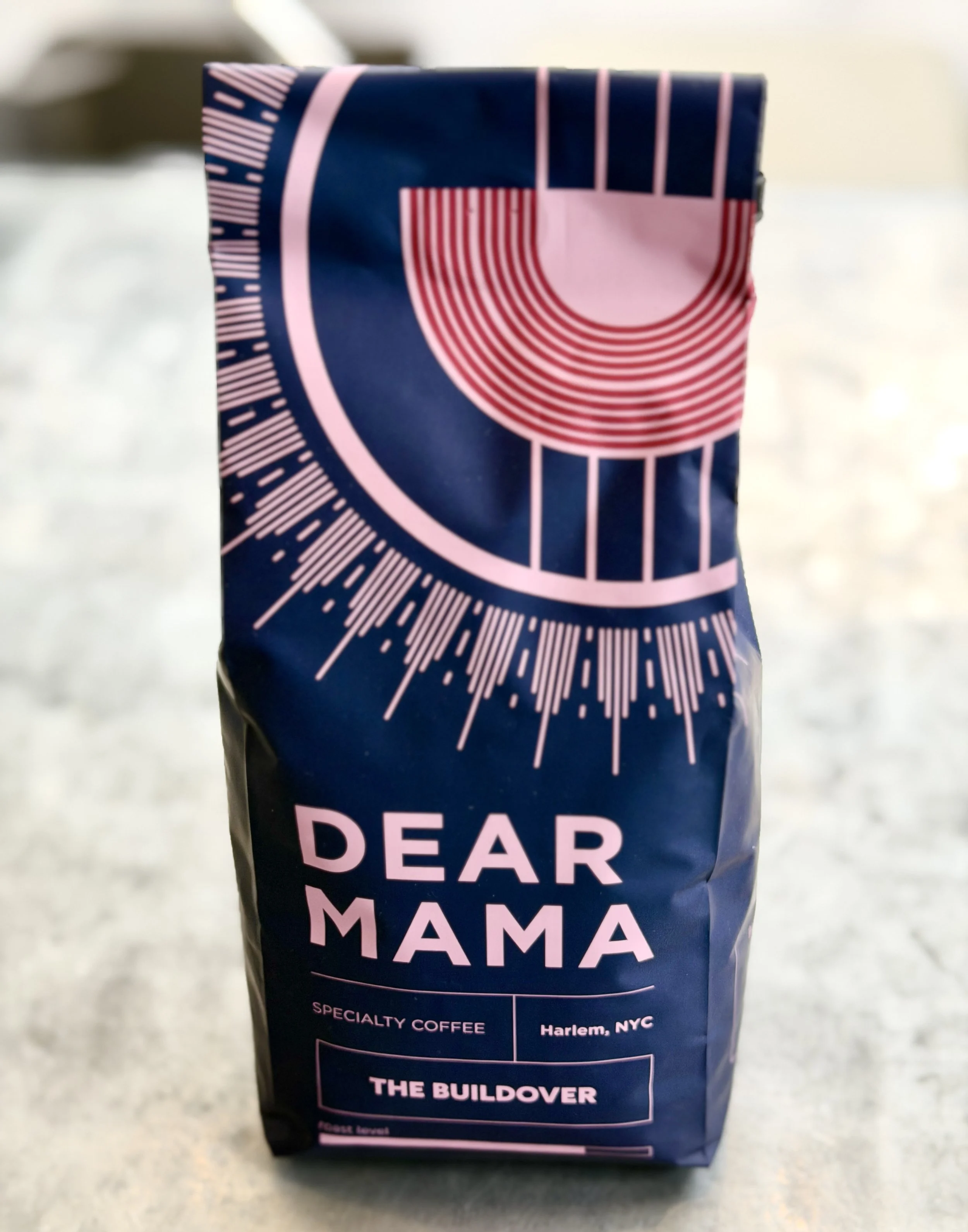 Image 1 of 5
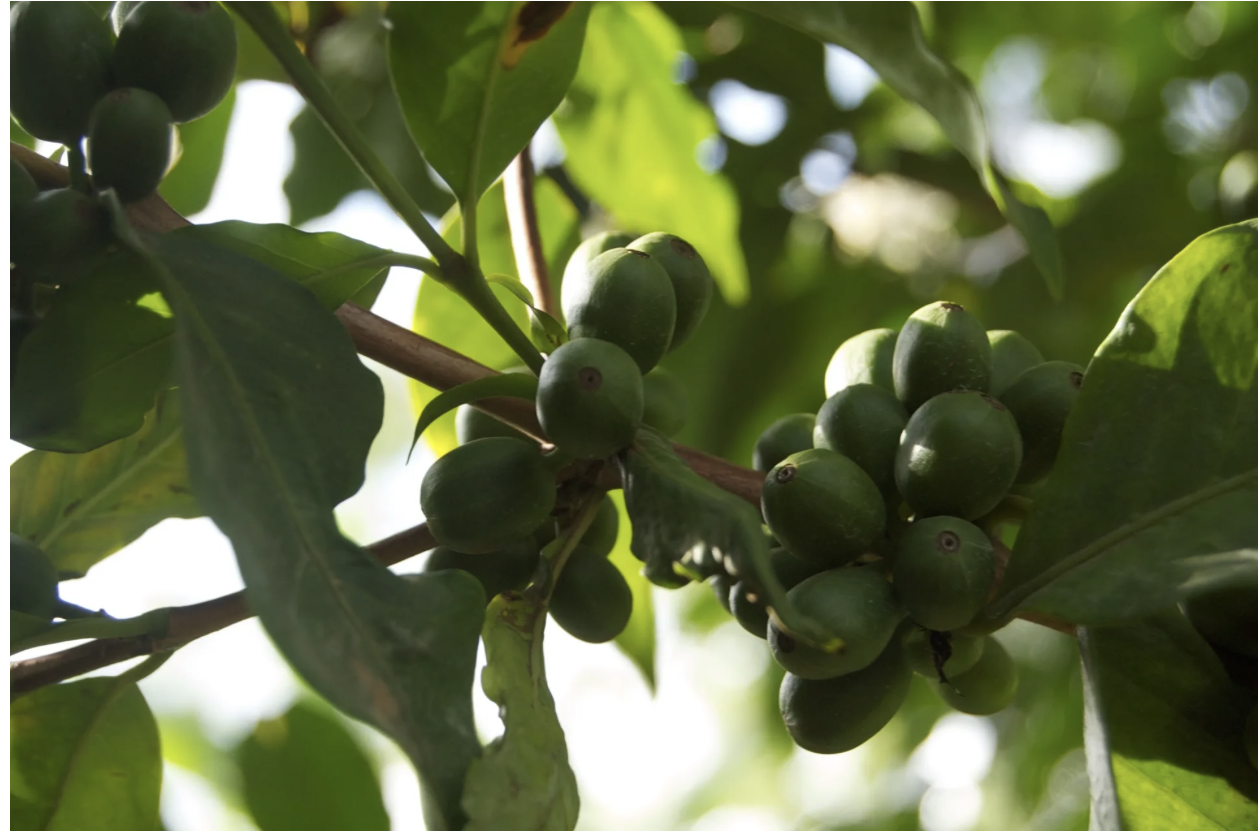 Image 2 of 5
 Image 3 of 5
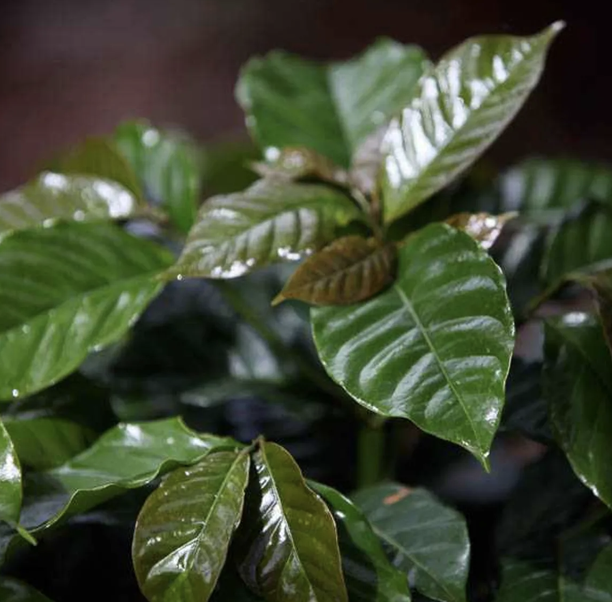 Image 4 of 5
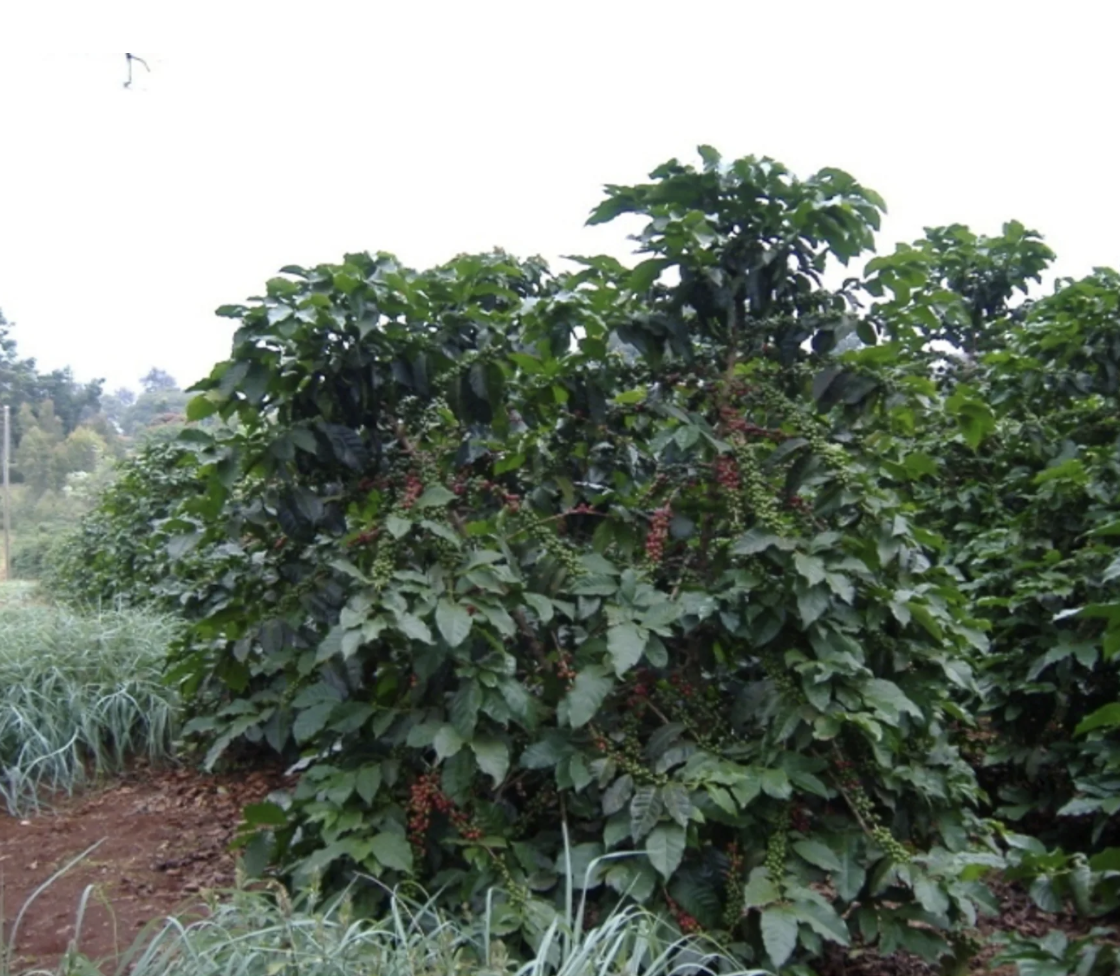 Image 5 of 5